
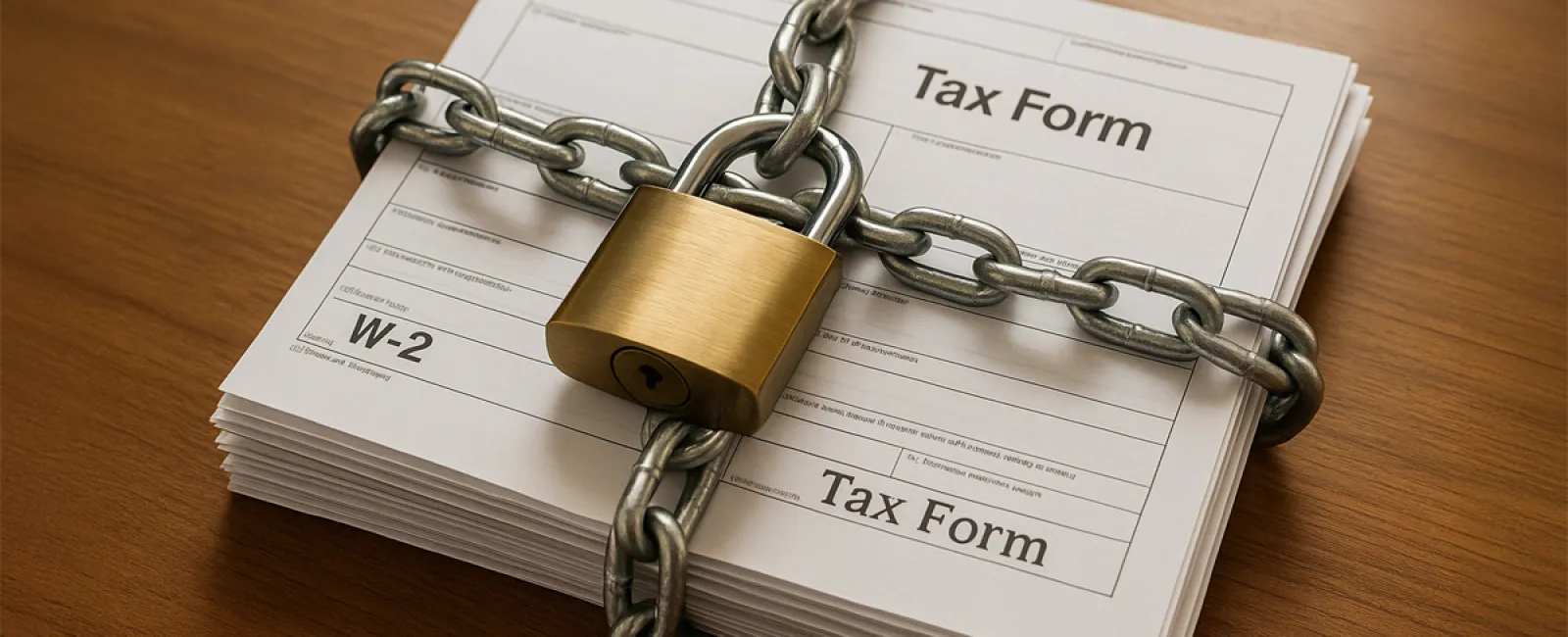
February signals the start of tax season. Your accountant's workload is increasing, your bookkeeper is busy gathering documents, and everyone's focused on deadlines and forms like W-2s and 1099s.
But here's an often overlooked fact: the first real challenge during tax season isn't a paperwork issue—it's a scam.
This scam arrives even before April, targeting small businesses with a well-crafted, believable ploy that might already be lurking in an employee's inbox.
Understanding the W-2 Scam: The Mechanics
Here's how it unfolds:
An employee responsible for payroll or HR receives an email appearing to come from the CEO, owner, or a top executive.
The email is brief and urgent:
"I need copies of all employee W-2 forms for an upcoming accountant meeting. Please send them ASAP—I'm swamped today."
The message reads naturally. The sense of urgency fits the busy season, and the request seems legitimate.
Trusting this, the employee sends the W-2 forms.
However, the email is not from the CEO—it's from a fraudster using a forged email address or a domain designed to look genuine.
This scammer now has detailed employee data:
• Full legal names
• Social Security numbers
• Home addresses
• Salary information
All the information necessary to commit identity theft and submit fraudulent tax returns before employees file.
Consequences of the Scam
Victims typically learn of the fraud when:
An employee's tax return is rejected with a message: "Return already filed for this Social Security number."
This means someone else already filed on their behalf and claimed the refund.
Now your employee must deal with the IRS, monitor credit, use identity theft protection, and face months of complicated paperwork—all for data they unknowingly shared.
Consider the impact if this affects the entire payroll. Explaining such a breach erodes trust, creates HR challenges, risks lawsuits, and damages your company's reputation.
Why the W-2 Scam Is So Effective
This scam is not a clumsy phishing attempt; it's crafted to be convincing because:
• The timing is perfect—requests for W-2s in February are expected.
• The request is realistic—not asking for wire transfers or gift cards but legitimate tax documents.
• The urgency seems genuine, matching the busy office vibe.
• The sender's identity appears authentic, often after research on company executives.
• Employees want to help their bosses, often overlooking verification in a hectic environment.
Steps to Safeguard Your Business Before Tax Season Hits
The best news is you can prevent this scam by combining policy and culture—not just technology.
Implement a strict "No W-2s via email" policy. Absolutely no exceptions. Never email sensitive payroll documents. If requested by email, reply with a firm no—even if the request appears from the CEO.
Confirm all sensitive requests through a separate communication method. Use a phone call, in-person confirmation, or company chat—but never respond directly via email. Use contact details you already know, not those in the suspicious message. This simple step can prevent major headaches.
Hold a brief "tax scam prevention" meeting immediately. Inform your payroll and HR teams that scam attempts will rise and explain how to recognize and respond.
Secure your payroll and HR systems with multi-factor authentication (MFA). MFA acts as a critical barrier if credentials are compromised.
Foster a culture of verification, not suspicion. Employees who double-check requests should be applauded. Encouraging vigilance keeps scams at bay.
These five simple but powerful rules can be implemented immediately to block the initial surge of scams.
Looking at the Larger Threat Landscape
The W-2 scam is just one example.
From now through April, expect various tax-related attacks, including:
• Fake IRS payment notices
• Phishing emails pretending to be tax software updates
• Malicious links sent from "accountants"
• Fake invoices disguised as legitimate tax expenses
Criminals exploit tax season because people are rushed and financial requests seem routine.
Those businesses that navigate tax season securely are not just fortunate—they are proactively prepared with solid policies, thorough training, and robust detection systems to spot suspicious activity before it causes harm.
Is Your Business Prepared?
If you already have effective policies and trained staff, congratulations—you're ahead of many small businesses.
If not, now is the critical time to act—don't wait until after becoming a victim.
Consider scheduling a 15-minute Tax Season Security Check.
We will examine:
• Payroll and HR system access plus MFA
• How you verify W-2 requests
• Email defenses against spoofing
• The crucial policy adjustment many businesses overlook
And if your business is already secure, share this with others who might benefit—it could save them from an expensive crisis.
Click here or give us a call at 316-867-4566 to book your 15-Minute Discovery Call.
Remember, tax season is stressful enough without adding identity theft to the mix.


